
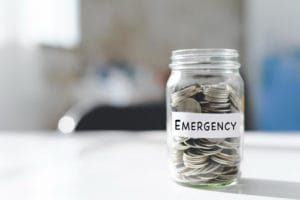
Why Emergency Savings Matter
Unexpected expenses can happen at any time. A car repair, medical bill, or urgent home repair can quickly put pressure on your budget. That is why emergency savings matter. Having money set aside for the unexpected can help you stay in control and avoid financial stress.
What Is an Emergency Fund?
An emergency fund is money you save to cover sudden and necessary costs. It is not for holidays, shopping, or regular monthly bills. It is there for true emergencies. The U.S. gov recommends that people build emergency savings to improve financial stability. The CFPB advises households to set aside money regularly, even in small amounts, to prepare for unexpected events.
The Importance of Having Savings
Without savings, many people turn to credit when faced with an emergency. While credit can be helpful in some situations, it can also lead to added stress if repayments are not affordable.
According to the Federal Reserve, in its Survey of Household Economics and Decisionmaking, around 37% of U.S. adults said they would struggle to cover a $400 emergency expense using cash or its equivalent. This shows that many households are financially vulnerable to small surprises. An emergency fund can reduce the need to borrow, help avoid late fees or penalties, protect your credit score, and give peace of mind. Even a small cushion can make a big difference.
How Much Should You Save?
Many financial experts suggest aiming for three to six months of essential expenses. However, this can feel overwhelming if you are just starting out. A more realistic first goal is $500 or $1,000. Start small. Once you reach your first target, you can continue building from there. Focus on covering essentials such as rent or mortgage, utilities, food, transportation, and insurance. Your goal should reflect your personal situation and monthly costs.
How to Build Your Emergency Fund
Building savings takes time, but small steps add up. Set a monthly savings goal and even $20 or $25 per week can grow steadily. Opening a separate savings account can help keep emergency money separate and reduce the temptation to spend it. Automating your savings with transfers after each payday makes it easier to stay on track. If money is tight, look for small expenses to reduce, like cutting back on subscriptions or dining out once a week to free up extra cash.
What If You Don’t Have Savings Yet?
Sometimes emergencies happen before you have built enough savings. In these cases, short-term loans may provide temporary support. However, they should be used carefully. Before taking out a payday loan or any short-term credit, make sure you understand the full cost, including fees. Ensure the repayment fits within your budget and that you can repay on time without missing essential bills. Responsible lending and borrowing are important. If you are unsure, consider speaking with a nonprofit credit counselor for guidance. For more information on payday loans, click here.
Start Today for Financial Confidence
Emergency savings are not built overnight. They grow step by step. The key is to start. By setting realistic goals, saving regularly, and borrowing responsibly when needed, you can strengthen your financial foundation. An emergency fund is more than money in the bank.